



How To Choose The Right Pack For Canoeing And Hiking This Fall
How to Choose the Right Pack for Canoeing and Hiking this Fall

Early morning start on a multi-day hiking trip along the Bruce Trail in Ontario
Autumn is a wonderful time to get outdoors, and enjoy what nature has to offer, in that is has several distinct advantages over other times of year, including: no biting insects (or at least in numbers that are vastly reduced), lifting of firebans, warm daytime temperatures with cool evening and overnight temps that are perfectly suited to hanging out around a campfire, and in areas with deciduous tress, a symphony of colour in gold, red and orange.
Selecting the right pack for use for your application is a function of three variables:
How much weight are you carrying?
How long will the pack be on your back per day?
What activity are you using the pack for?
Before we dive in - a word on pack frames/tumps and PALS/MOLLE:
Frames
A rigid frame and/or a lightweight frame sheet in a pack helps transfer loads down the spine and onto the hips and legs, where their weight is borne most easily - a must on longer trips when carrying weight, or for carrying heavy loads more comfortably on shorter trips. Without a frame, with a heavy load, and over time, the pull on shoulders of a pack can become uncomfortable at a minimum to tortuous at a maximum, and can greatly reduce the distance one can travel comfortably with the pack.
Tumps
Tump lines work like frames to transfer weight onto the hips and legs, by focussing the weight on the front top portion of the wearer’s skull and down through the spine.Tumps requires some technique and caution when using, but are an effective method of helping to carry heavy loads over long distances.
MOLLE
(Modular Lightweight Load-carrying Equipment) is an ecosystem of pouches, pockets, and accessories that work in conjunction with larger packs or gear to allow for adding or removing extra storage and organization on packs.
PALS
(Pouch Attachment Ladder System) is a grid of horizontal attachment points sewn into packs to allow for the connection and securing of MOLLE gear onto the pack or bag. Used by militaries worldwide, this system allows for a highly flexible approach, and when used properly, pouches and pockets are connected into a main pack as securely as if they were sewn in.
How much weight and gear are you carrying?
This is the primary determining factor when it comes to determining capacity and using a pack with a frame/tump or not - heavier loads require frames/tumps to avoid strain on shoulders and backs. Depending on your size, and how much weight you're capable of carrying, exact weights for the frame /tump threshold are highly personal; a 20kg load will be carried by a 200lb adult male much more easily and longer than a 100lb adolescent. If you're looking for a mid-sized to larger pack in terms of capacity, giving yourself the option of having and utilizing a frame or tump is always the better choice.
How long will you be carrying your pack per day?
Along with the amount of weight being carried, how long your pack will be on your back is another important factor to determine if a frame or tump is a necessity. On canoe trips with short portages, it may not be required, however very long portages, or in the case of mutli-day hiking trips where loads are being borne for many hours per day, a properly adjusted frame and /or tump becomes a necessity.
Ensuring that shoulder, sternum, and waist straps are properly adjusted, as well as proper loading of the pack (keeping the heaviest gear up against your back, and around your hips, with lighter gear on the top and outward side of the pack) also factors in when wearing a pack for extended periods of time.
What activity are you using the pack for?

Hiking Packs
hiking packs can be framed or unframed depending on the capacity and purpose of the pack: framed packs are designed to carry heavy loads on long trips
generally slim and tall, so as to keep weight centred over spine and back, and closest to the body
generally compartmentalized for easier packing and access when hiking (rain gear, etc..)
available with modular designs for adding compartments/customization
Scenarios:
Lone Hiker: Day Trip
Day hiking with a pack usually consists of smaller capacity bags (generally less than 30L), used to carry extra layers, rain gear, filed guides, snacks, etc.. Due to their size, frames and waist straps are not necessary, as they are not intended to carry overly heavy loads for extended periods of time. Certain models are interoperable with hydration bladders, and PALS webbing adds modularity and more capacity when needed.

Savotta Kahakka 25L Backpack

Savotta Niukka 20L Backpack

Savotta Kahakka 15L Backpack

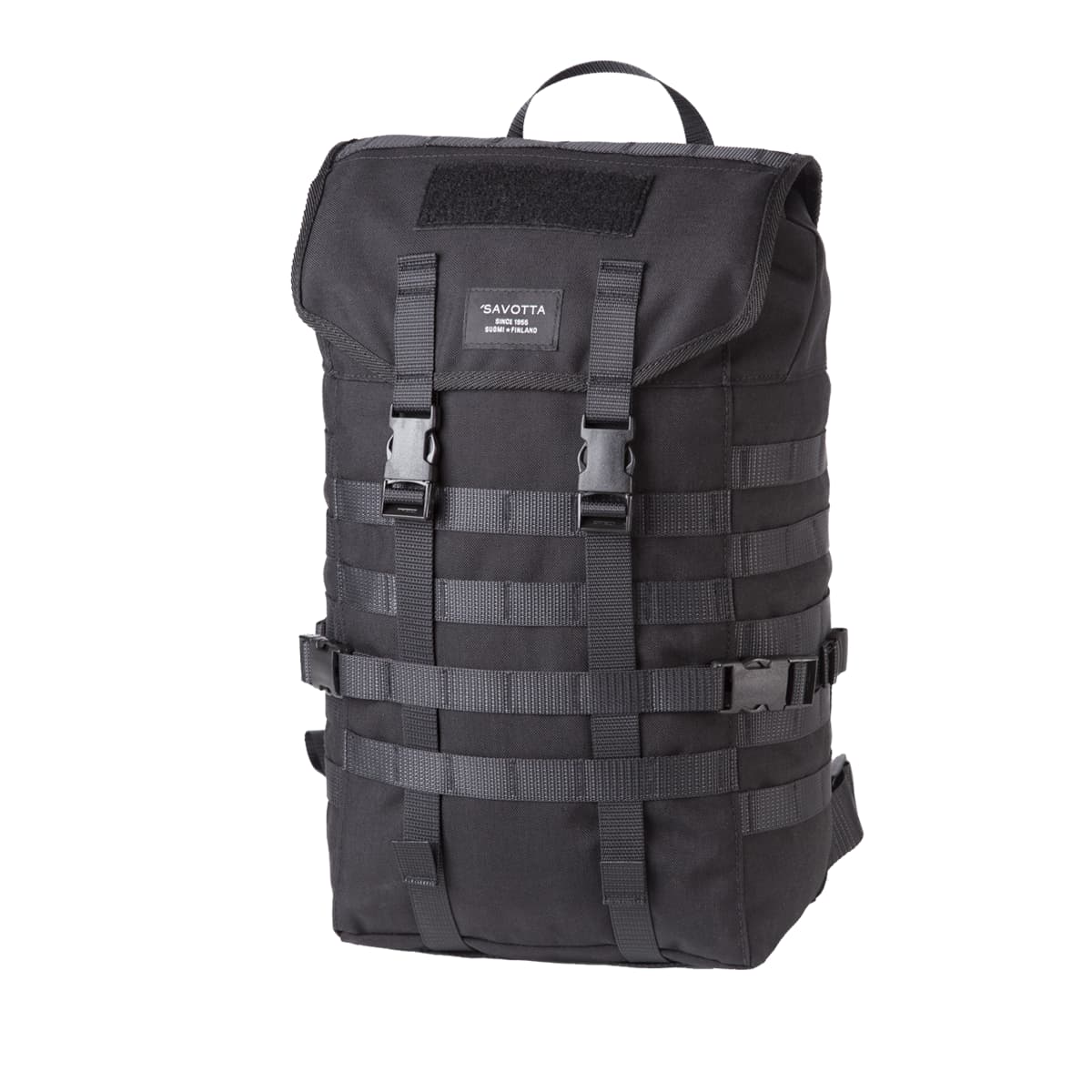
Savotta Jaakari S Backpack
Lone Hiker 2 - 4 day trip
Hiking trips of 2- 4 days can be undertaken with mid to large size packs (depending on how much gear you are carrying). PALS webbing adds modularity and flexibility, as well as the ability to add extra storage and organization for things like snacks and rain gear. These packs are interoperable with hydration bladders, and have accessory rain covers to keep all your gear dry (sold separately).

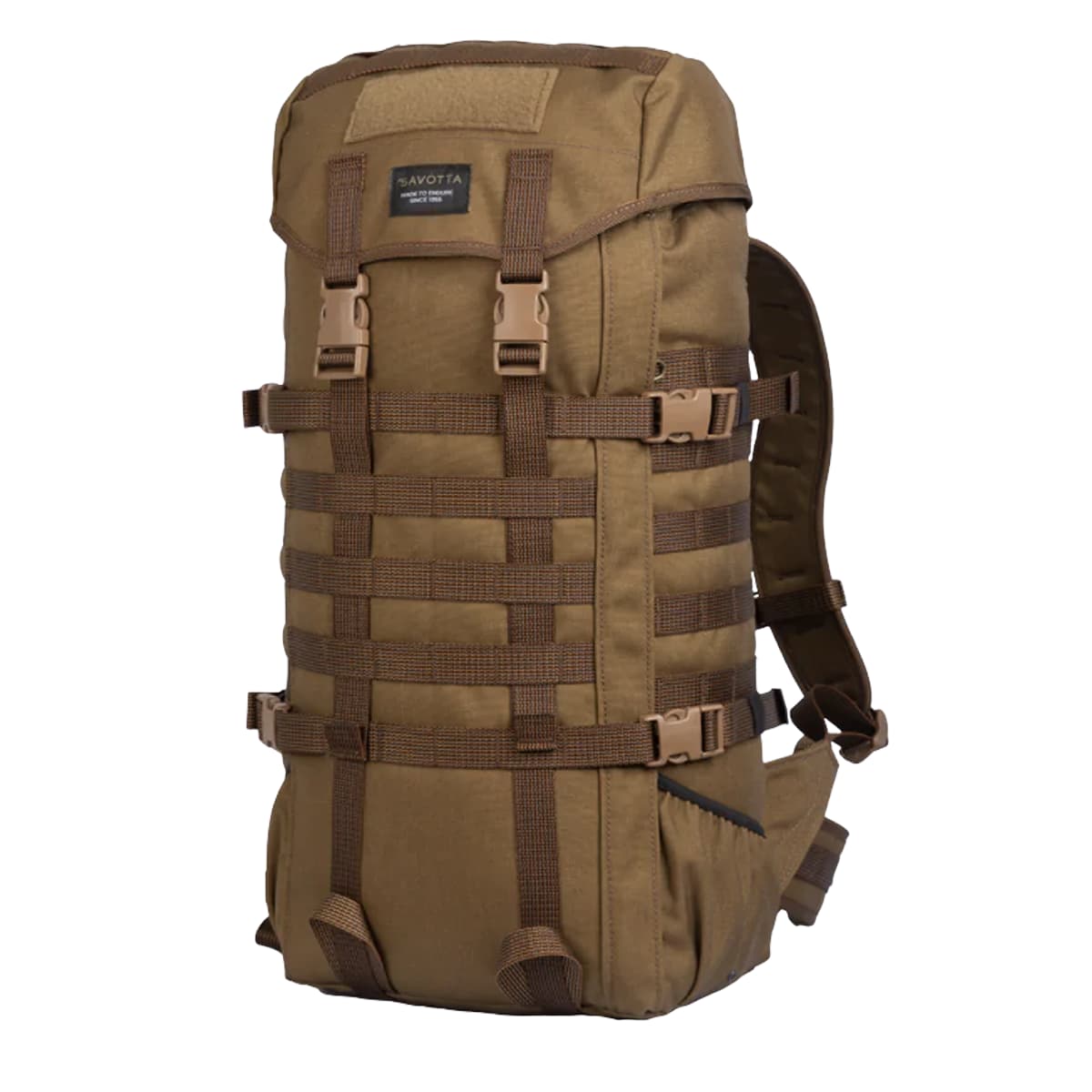
Savotta Jaakari M Backpack

Savotta Jaakari L Backpack

Savotta Kantamus 40L Multi-DayPack

Savotta Kantamus 60L Multi-DayPack
Lone Hiker 2 - 5+ day trip
Largest capacity framed packs are best suited for heavier loads over long distances and longer trips. Increased internal and external compartmentalization helps stay organized, and keeps gear accessible for when needed. Packs are interoperable with hydration bladders, PALS webbing allows for modular additions if increased capacity if needed, and accessory rain covers are available (sold separately).


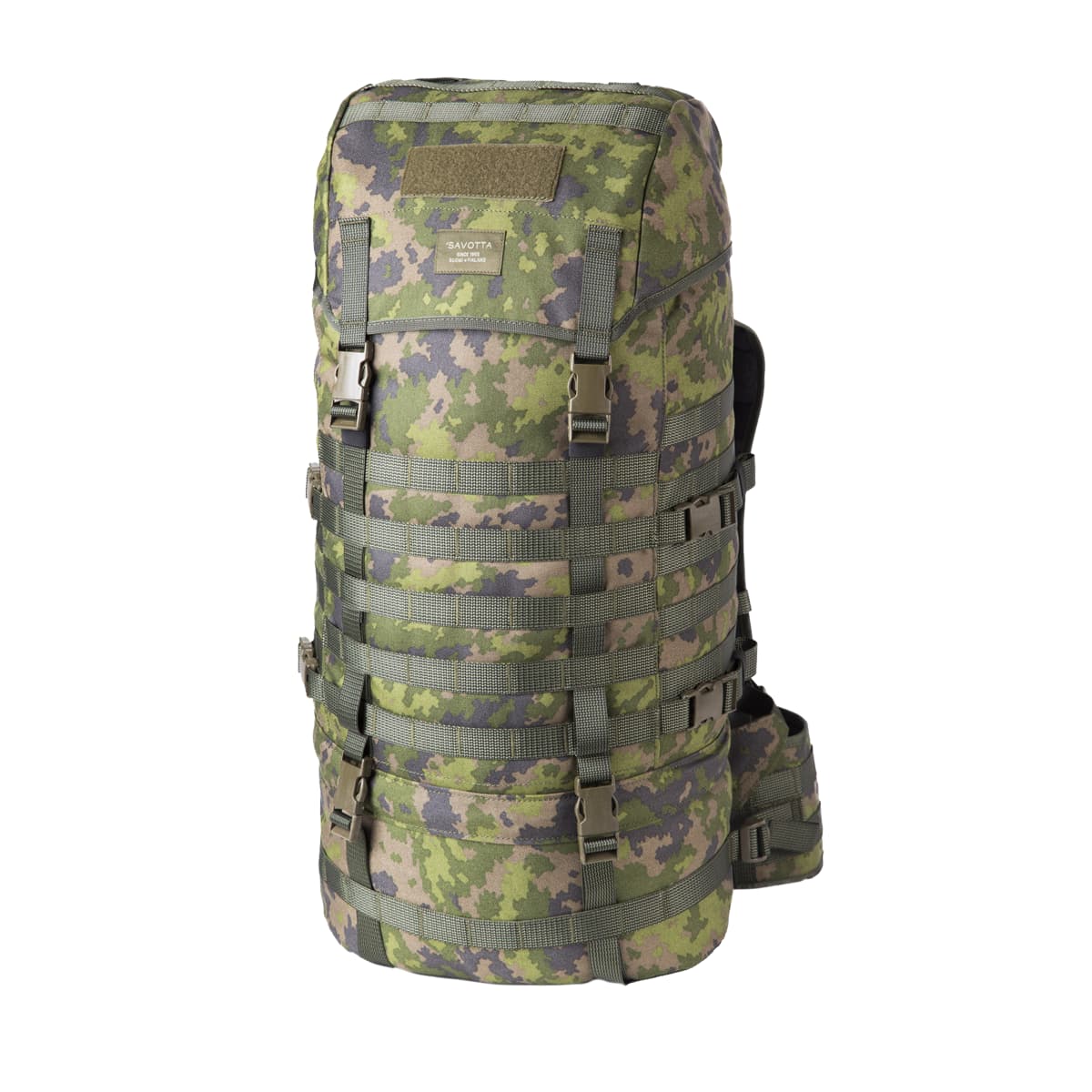
Savotta Jaakari XL Backpack

Savotta Kantamus 60L Backpack


Canoe/Portaging Packs
designed less tall, more squat and wider than hiking packs (to better fit in a canoe)
made for large loads over portage lengths (generally shorter distances than hiking)
frames and tump enabled packs allow for larger/heavier load carrying
barrels and barrel harnesses allow for storage and stowage of foodstuffs
highly rugged and durable
Scenarios:
Canoeist 2 - 4 day trip
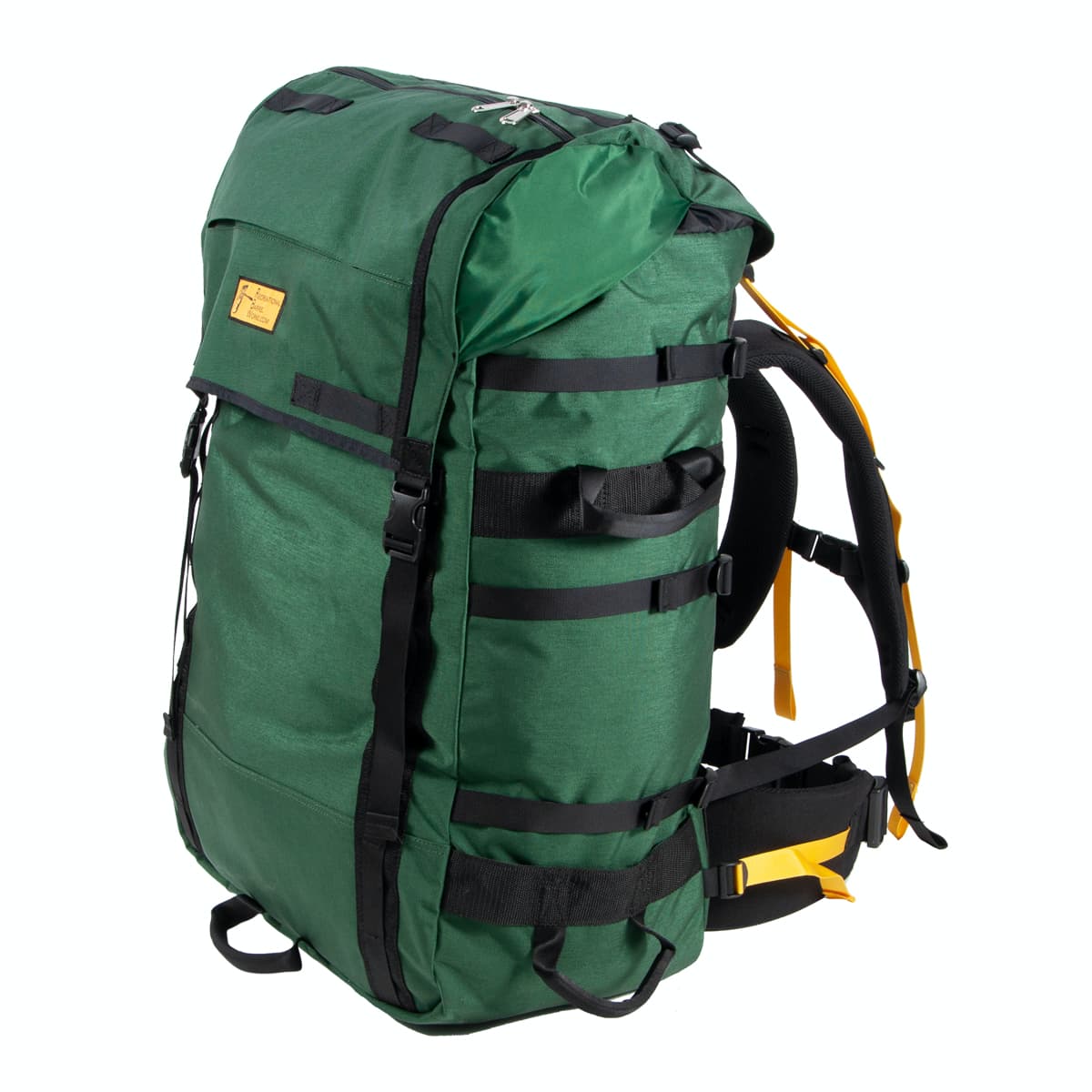
If you’re a canoeist, canoe packs are a must, as they have multiple handles located all over the pack to make loading and unloading in and out of out of boats easier, are available with internal frames and/or tump lines for dealing with heavy loads, and when paired with pack liners (sold separately), ensure that all your gear stays dry - even if you tip.
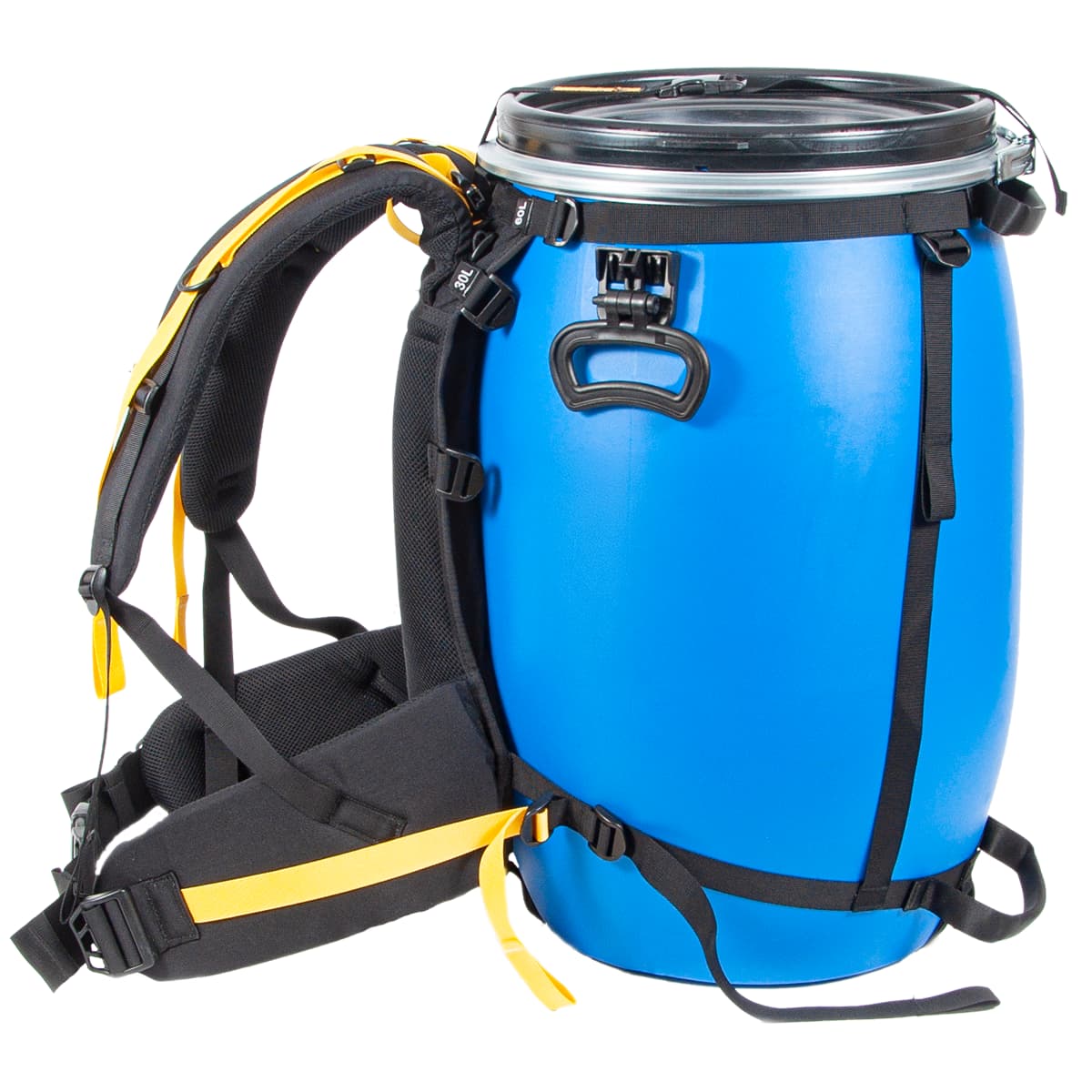
Barrels with gasketed lids provide a scent -proof, rigid storage space for foodstuffs that can be stowed separately from other gear, and can be used as makeshift camp tables and seats when needed. Available in 3 sizes (60L, 30L, 20L) with adjustable harnesses, they can be sized up or down depending on the number in your party and length of your stay.
Smaller Packs: (for shorter stays, or smaller wearers)

Frost River Woodsman Canoe Pack

Frost River Old No 7 Canoe Pack

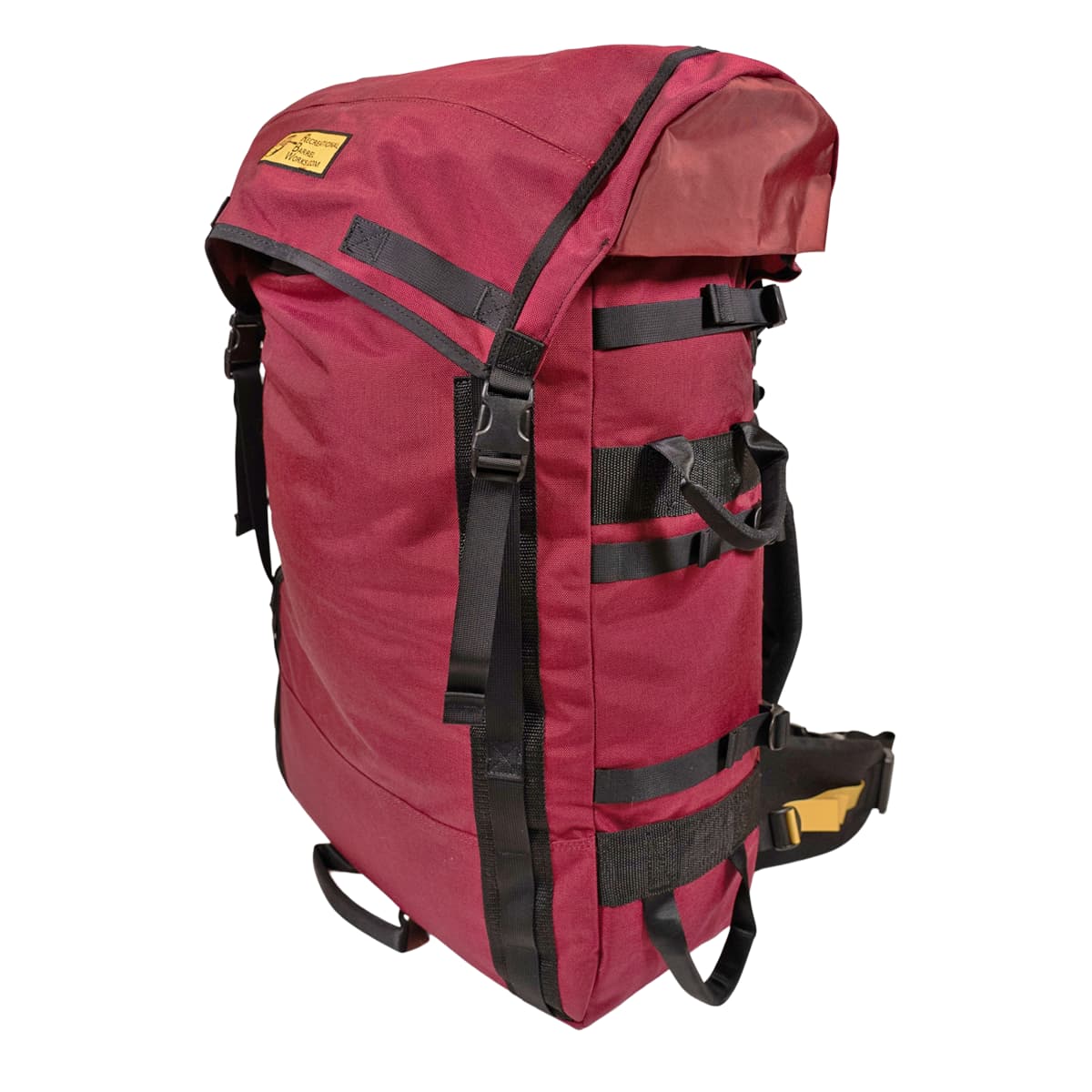
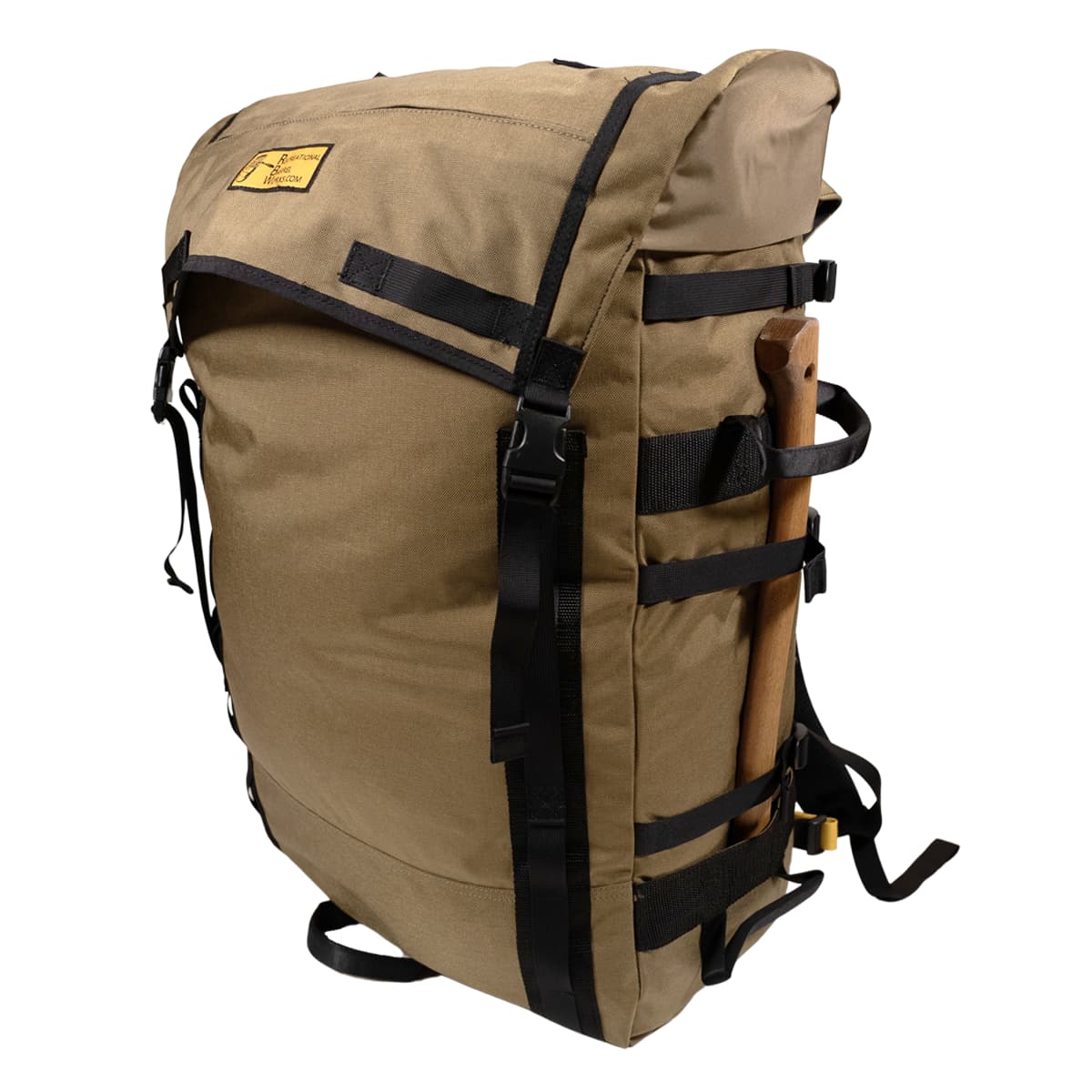
RBW Camper Canoe Pack

RBW Coureur Canoe Pack


20L Camp Barrel with Harness

30L Camp Barrel with Harness

Larger Packs: (for longer stays, larger wearers)

Frost River Camp Cooks Kitchen Canoe Pack

Frost River Grand Portage Canoe Pack

Frost River Timber Cruiser Canoe Pack

RBW Expedition Canoe Pack


RBW Paddler Canoe Pack

60L Camp Barrel with Harness

Secondary Day Packs:
When base camping, having a smaller pack for day trips (hikes, fishing expeditions, photography expeditions, wildlife viewing, etc..) comes in handy, as canoe packs are generally too large and unwieldy when used to carry a few small essentials (water, rain gear, snacks, emergency kit). A smaller waist, chest or backpack provides extra storage, and a compact option on day trips.

Savotta Hatka 12L Daypack

Savotta Rintamus Chest Pack

Savotta Askare Hip Pack

Savotta Kukkaro Waist Pack

Bushcraft Overnighter
smaller/compact packs are paramount, generally without frames or waist straps
areas of pack for stowing tools (hatchet, saw, etc)
ruggedness and durability needed
use of traditional construction methods and materials favoured
Inspired to travel light, and use the resources around them to help supply their needs, bushcrafters opt for smaller packs, made traditionally from waxed canvas and leather, that are extremely rugged - with enough pockets and lash points to accommodate carrying tools (axe, saw, etc..) along with minimal supplies and gear.

Frost River Nessmuk Pack

Frost River Cliff Jacobson Signature Pack

Frost River Isle Royale Jr Pack

Savotta Jaakari M Backpack

Medical Packs
specifically designed for easy access to sectioned compartments
multiple sections available for adaptable organization of gear and supplies
many mesh pockets for visibility of contents of internal sections
compact
includes PALS webbing for expandability
Ideal for group settings or large parties travelling together, a dedicated medical pack that is compact, well organized and allows for grab and go functionality can help provide peace of mind and security in that should an accident happen, all necessary medical supplies and implements are housed centrally, and can be accessed quickly. A recommended addition to any kit is our waterproof, spiral bound, made-in-Canada Medical Emergency Field Guide for assistance with triaging, patient assessment, and courses of action.

Savotta Medic Pack - Black

Savotta Medic Pack - Green

Savotta Medic Pack - Brown

Savotta Medic Pack - Camo

EDC/School Packs/Day Packs
wide assortment of form factors/sizes, styles and approaches
pack size is a function of how must weight you plan on porting around, but are generally small to mid-sized
consider how much walking vs transit vs vehicular travel you plan on doing to inform size/form factor
size is such that neither frames nor waiststraps are necessary
EDC (Every Day Carry) packs are a broad category, as they are highly personal - serving as both a day pack, storage for laptops, books, extra layers, etc... and travel packs for cyling, walking and general travel whilst being lightweight and having a compact form factor.
Multiple pockets and compartments allow for internal organization, and PALS webbing allows for the addition of other pockets or pouches as needed. Big enough to carry what you need, but small enough that they require neither frames nor wasitstraps, a good EDC pack becomes part of getting dressed each day before heading out.

Frost River Vintage Pack

Savotta Kahakka 25L Backpack

Savotta Niukka 20L Backpack

Savotta Jaakari S Backpack

Snowshoeing/Skiing
snowshoers and skiiers, like cyclists, don’t want to be weighed down with large packs
daypack size is optimal, as larger packs are better hauled in by toboggan
generally no need for a frame
Functional day packs work best for winter activities, as heavier loads can be hauled in on pulk/toboggan instead of carrying it on one's person. Packs with zippers covered by flaps to prevent them from icing and freezing, or without zippers at all, along with large compartments to facilitate use with gloves and mitts work best in winter conditions.

Frost River Cliff Jaconson Signature Pack

Savotta Hatka Daypack

Savotta Niukka 20L Backpack

Savotta Rintamus Chest Pack
Taking the time to calculate and decide on a properly sized pack, and then adjusting the frame (where possible - see a previous article on this here), adjusting shoulder, sternum and waist straps, and packing properly will ensure that your pack fits your body in such a way that it helps bear the weight, and becomes an invaluable asset while travelling on your journeys. Do feel free to contact us at the shop to talk through any questions you may have, or better still, stop by the shop with some of your gear to check sizes and weights with the pack(s) you're considering.
See you out there!
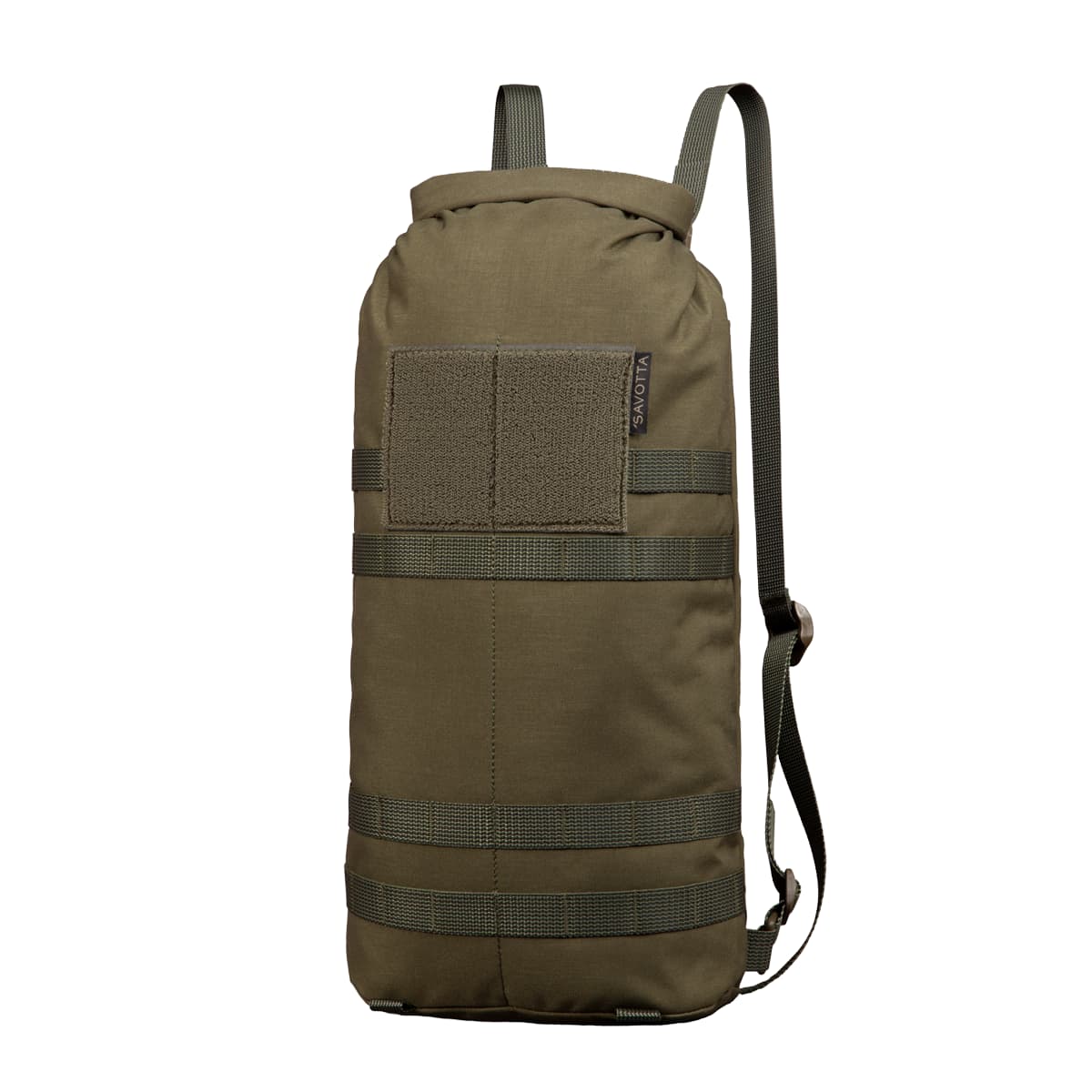
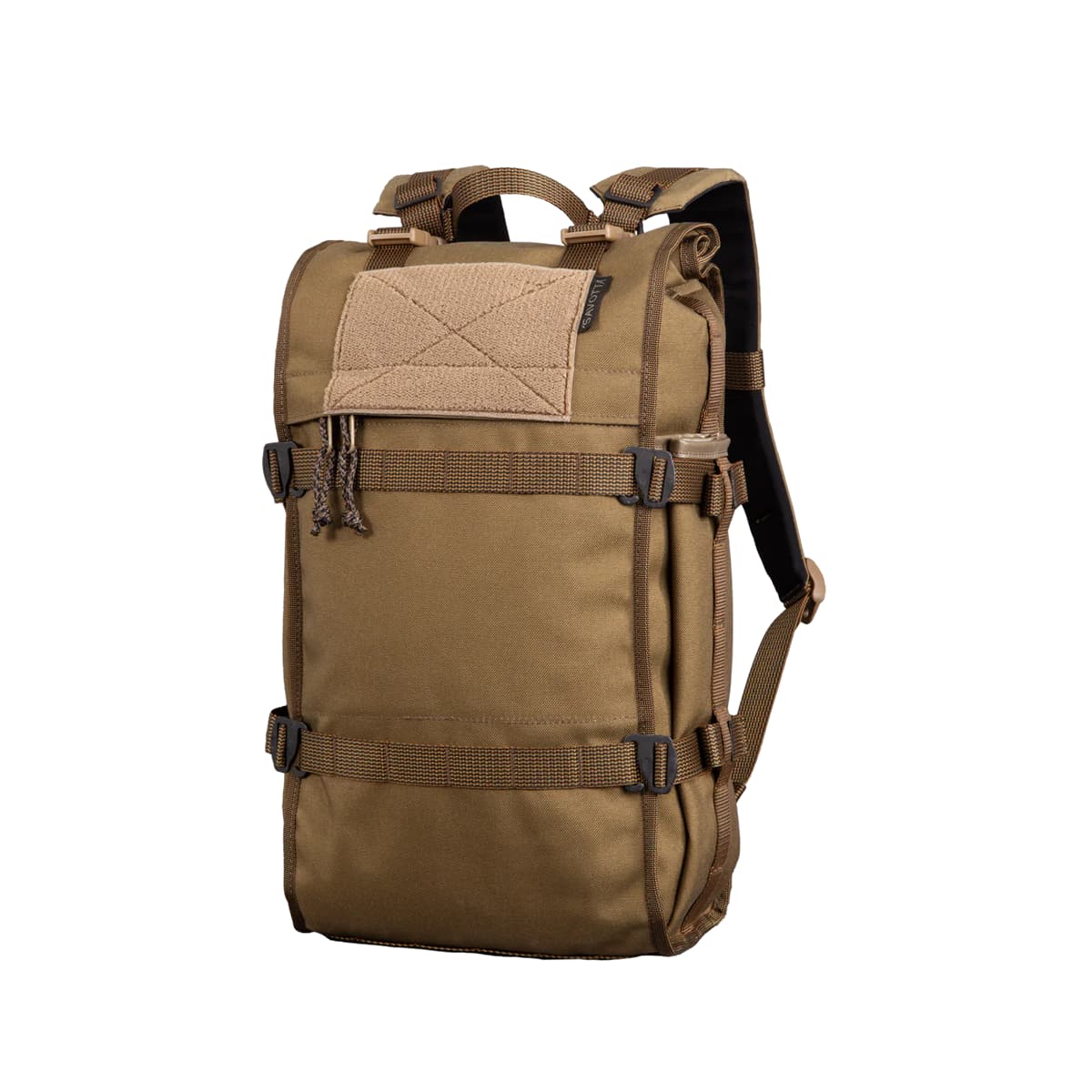
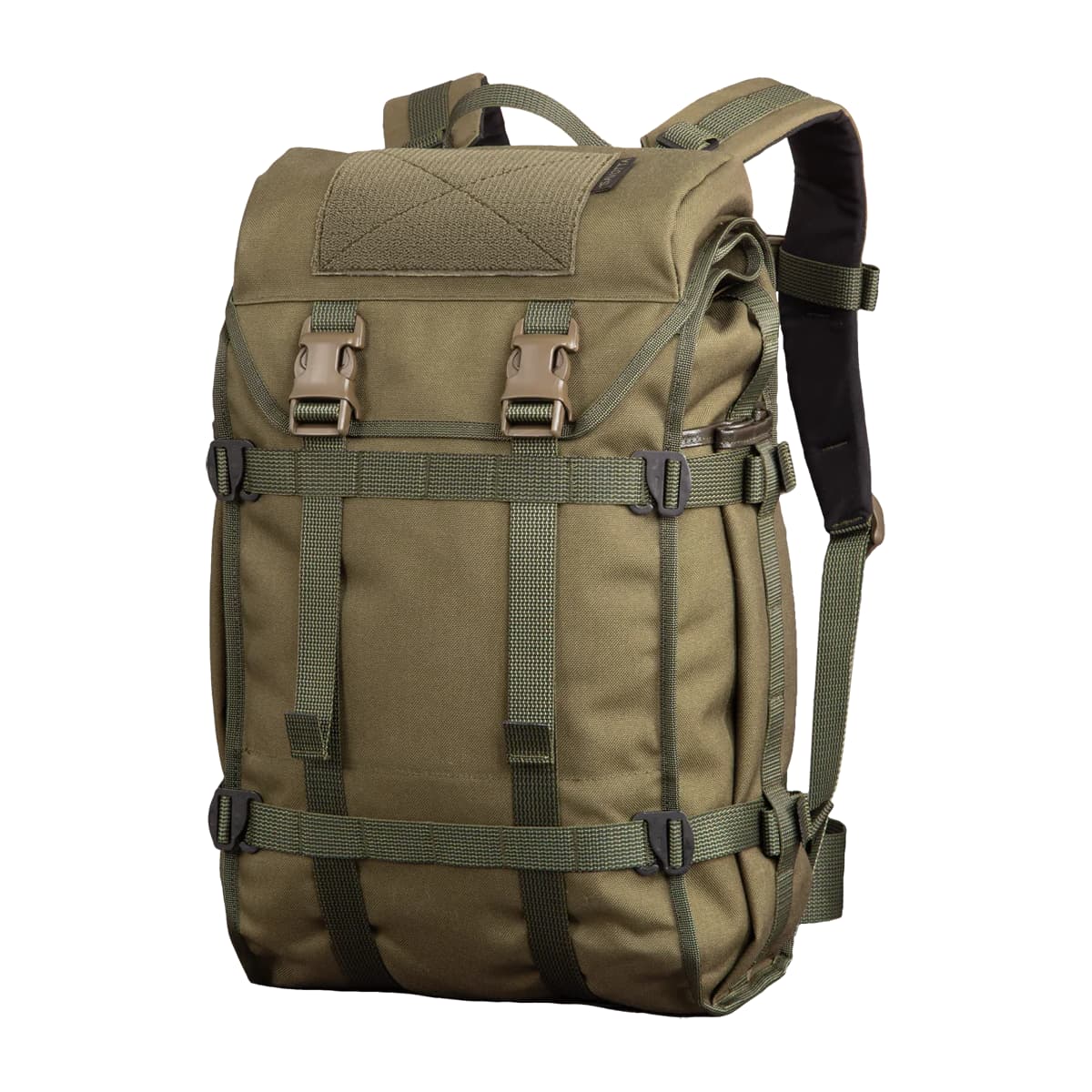
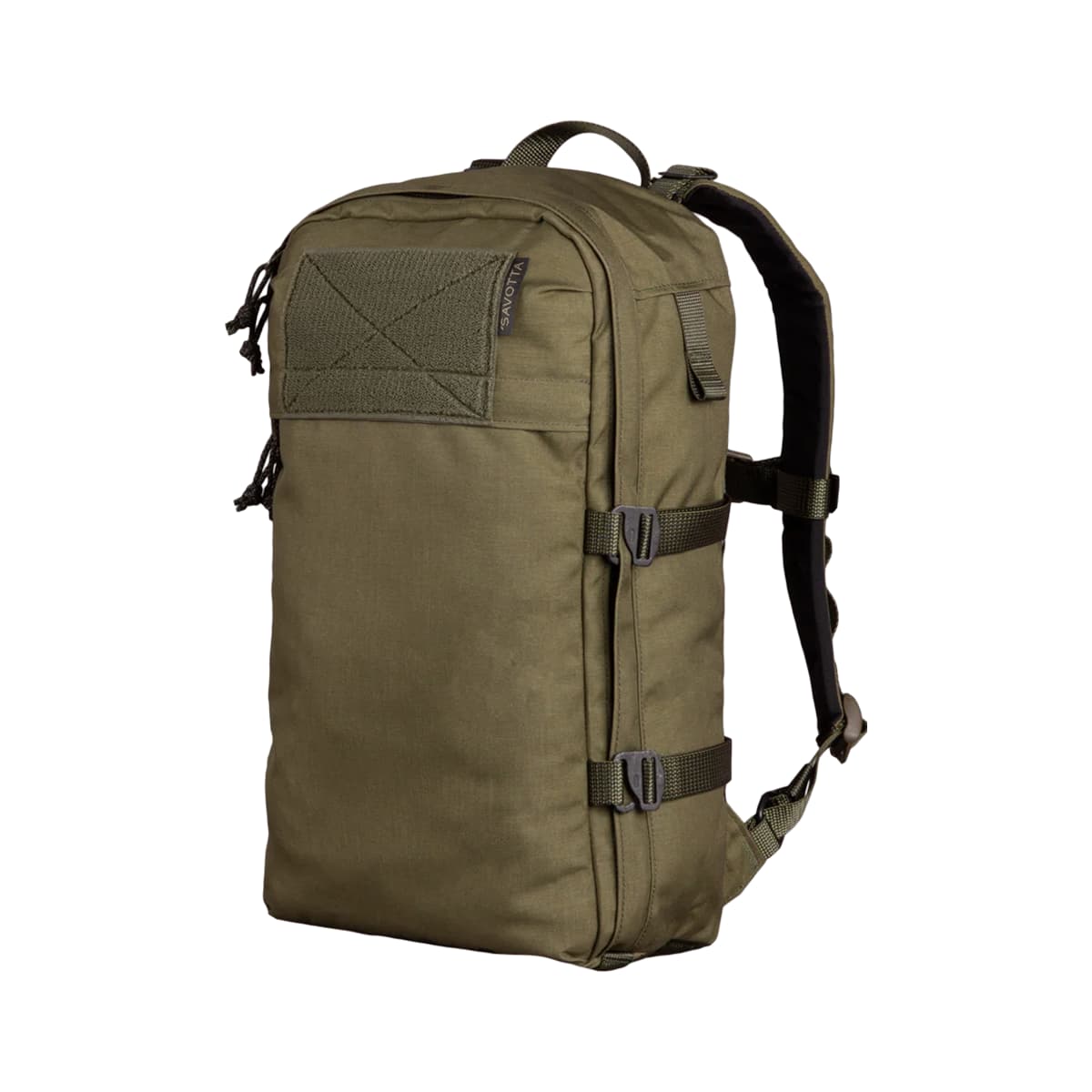
Shop The Gear
Tim Foley
Tim grew up spending summers and much of his spare time in the backwoods of Northern Ontario and has been canoeing, camping and hiking ever since. When not running the Canadian Outdoor Equipment Co., you can find him riding his bike, hiking the Bruce Trail, canoeing, or clearing trails, cutting firewood and testing gear out in the bush.
